
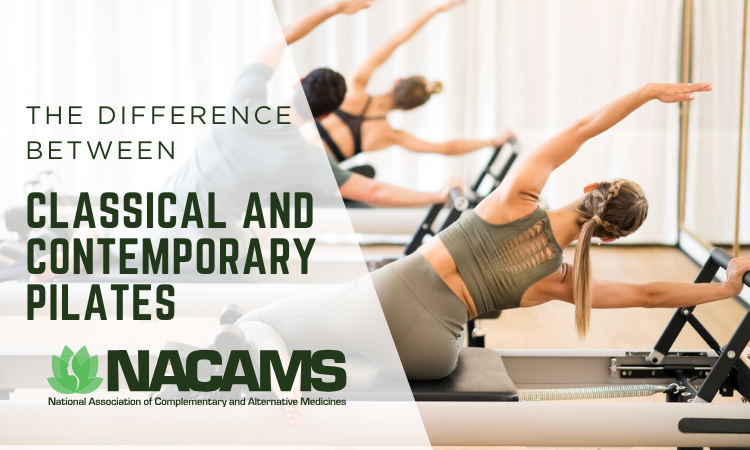
Pilates looks a lot different today than it did when Joseph Pilates first introduced his method. These days, instructors teach in all kinds of spaces, including studios, gyms, rehab spaces, and even private homes, and most aren’t sticking to just one strict approach. It’s common to mix traditional exercises with newer ideas about how bodies move and respond.
With so many approaches out there, it helps to understand where different Pilates styles come from and why those differences matter, not just for clients, but for you as a professional.
As the practice keeps evolving, instructors naturally make adjustments. Sequences change, cues evolve, and newer equipment shows up in sessions. That flexibility is part of what keeps Pilates relevant and interesting.
It also means the way you teach Pilates today probably doesn’t look like it did decades ago, which is why it’s worth thinking about professional protection early on so you have coverage that actually fits how you teach in real life.
So let’s break down what really separates these two styles.
What Classical Pilates Really Is
Classical Pilates sticks pretty closely to what Joseph Pilates originally created. The exercises usually follow a set order, with not a lot of variation in sequence or transitions. The idea is that each movement gets the body ready for the next, building a full, connected system.
In a typical classical session, you’ll often see:
A set repertoire taught in the same order or sequence
Traditional equipment like the Reformer, Cadillac, Wunda Chair, and barrels
Few modifications, even for different body types
A focus on precision, control, and rhythm
A lot of instructors and clients appreciate classical Pilates for its structure. There’s a sense of lineage and discipline to it. You’re teaching the method as it was designed, trusting that sticking with it will build strength and body awareness over time.
That said, classical Pilates doesn’t always take injuries, chronic conditions, or modern lifestyle habits into account unless the instructor makes thoughtful tweaks.
What Contemporary Pilates Is All About
Contemporary Pilates grew out of the classical method but is a lot more flexible. It pulls in ideas from physical therapy, exercise science, and biomechanics, often adapting movements to fit the body you’re actually working with.
This is where you really notice the difference between classical and contemporary Pilates when you’re teaching day to day.
In contemporary sessions, you’ll commonly find:
Exercises that are modified or done in different orders
Props like bands, balls, or foam rollers
Cueing that uses modern anatomical language
Adjustments for injury prevention, rehab, or athletic performance
Contemporary Pilates gives instructors room to meet clients where they are. You see it a lot in clinical or mixed-population settings, since not every person can or should move the same way.
Choosing a Style as an Instructor
Most instructors don’t stick to just one style. You might start with classical foundations but teach them through a contemporary lens. Or maybe you lean more contemporary while still honoring the original intent behind the exercises.
In addition to staying true to your training, knowing the difference between classical and contemporary Pilates helps you explain your approach to clients and set clear expectations. It also affects how you plan sessions, pick equipment, and guide results.
There’s no “better” option; it’s really just what works for your education, your clients, and the way you like to teach.
Why Pilates Insurance Matters
No matter which style you teach, you’re still working with real bodies, real limitations, and real expectations. Pilates instruction involves hands-on guidance, verbal cues, and exercise programming, all of which carry professional responsibility.
Pilates instructors can face claims related to:
Alleged improper instruction or supervision
Client injuries during sessions
Misunderstandings about physical limitations
Teaching in studios, private homes, or shared spaces
That’s why professional liability insurance for Pilates instructors matters. The right coverage can help protect you if a client claims injury, negligence, or harm related to your services, whether you teach classical, contemporary, or a mix of both.
Teach With Confidence, No Matter Your Style
Pilates keeps evolving, just like the people who practice it. Regardless of your preferred style, classical sequences or modern adaptations, your work deserves support that matches how you really teach.
If teaching Pilates is part of your career, make sure your insurance is too. Check out NACAMS Pilates Insurance for coverage designed specifically for instructors like you.
Download A Free 7-Daily Meditation Journal

Protect Your Career With NACAMS Liability Insurance
1 Year Professional
$179/YR
- 5 Minute Online Checkout with Instant Coverage
- Occurrence Form- Industry Preferred Protection
- Dual Specialists Fully Covered Under One Policy
2 Year Professional
$329/YR
(save $29)
- 5 Minute Online Checkout with Instant Coverage
- Occurrence Form- Industry Preferred Protection
- Dual Specialists Fully Covered Under One Policy
More Articles
Page [tcb_pagination_current_page] of [tcb_pagination_total_pages]