
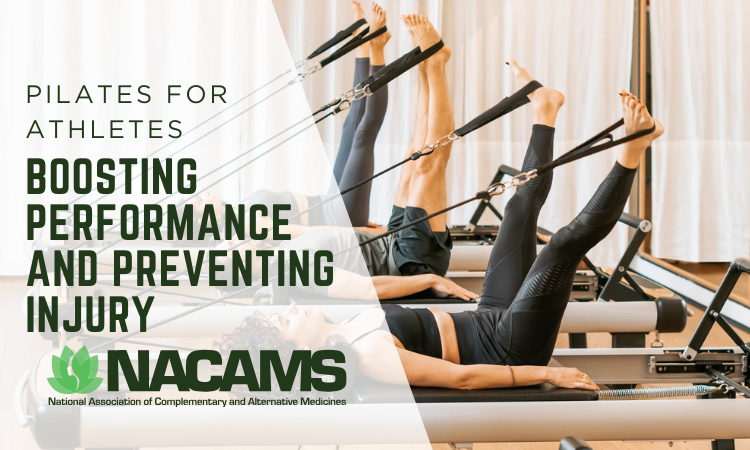
Talk to any group of athletes, and you will hear plenty of ideas about training. Some lean on ice baths, others on resistance bands, and many on the latest supplement. But one method that has stuck around across sports is Pilates.
Once seen as something dancers relied on to stay flexible, Pilates for athletes is now recognized as a way to build strength. It also helps prevent injuries and can lead to faster recovery. Many athletes who step on the mat or reformer for the very first time are surprised to discover how their body moves and where it doesn’t. That simple awareness can be the start of real progress.
Why Athletes Are Turning to Pilates
What do athletes actually get out of Pilates? At first glance, it might seem like another workout trend, but once you break it down, the benefits are hard to ignore.
Pilates is really about control: how you move, how you breathe, and how your body lines up. It sounds simple, but once athletes bring it into their training, they usually notice the difference in everything else they do.
Core Stability
Ask any coach where power comes from, and they will point to the center of the body. A solid core lets a sprinter explode off the blocks and keeps a pitcher’s back from taking all the stress. The thing is, Pilates works the deep stabilizers, not just the visible “six-pack” muscles, and that’s where real strength shows up.
Strength Without Unnecessary Bulk
In sports, efficiency matters more than just size. Too much muscle can actually get in the way and slow an athlete down. Pilates focuses on slow, controlled movements that build strength, endurance, and stability instead of just bulk.
Mobility and Flexibility
Picture a golfer winding up for a swing or a swimmer stretching into a stroke. If the hips, spine, or shoulders are stiff, the movement looks tight, and the risk of injury goes way up. Pilates helps free up those areas while balancing the weaker ones.
Breathing Mechanics
This is one of those hidden advantages of Pilates. Athletes who practice diaphragmatic breathing often notice better stamina. They tend to last longer in tough moments and stay calmer under pressure.
Put all that together, and it’s clear why “Pilates for athletes” is more than a buzz phrase. It covers the gaps that regular strength training often misses.
Common Injury Patterns and How Pilates Helps
Each sport affects the body differently. For instance, runners often deal with tight hips and pulled hamstrings. Cyclists tend to have strong quads but weak glutes. Golfers and tennis players struggle with shoulder and rotation issues. And in field sports, you see groin strains and landing injuries all the time.
Pilates can help by teaching better alignment and how to spread the load more evenly across the body. Here are a few examples:
Runners and cyclists: Exercises like footwork on the reformer or bridge variations activate the posterior chain, which balances out quad dominance and protects the knees.
Golfers and racquet players: Rotational moves like the spine twist or pulling straps strengthen the torso without stressing the lower back.
Field athletes: Side-lying hip work and lunges improve joint stability, making quick changes of direction safer.
The best part is that Pilates does more than address injuries. It retrains how the body moves, making the same issues less likely to pop up again.
Building a Pilates Program for Athletes
Now, how should an instructor or coach put a program together? It starts with watching the athlete move. Do the shoulders slump? Is one hip higher than the other? Does the lower back arch when it shouldn’t? A quick movement check will show where attention is needed.
From there, progression matters. Most athletes do well starting with mat basics to learn alignment, then moving on to equipment like the reformer for resistance and sport-specific patterns. Programs often follow the training cycle:
Off-season: Work on correcting imbalances and building overall capacity.
Pre-season: Add power and rotational control.
In-season: Keep sessions shorter, focusing on maintenance, mobility, and recovery.
How often athletes should train depends on the sport, but one to three sessions a week usually fit nicely.
How the Right Cues Change Everything
The exercises themselves are important, but the cues make all the difference. A few tips can separate good instruction from great instruction:
Breath and rib control: Breathing the right way keeps the trunk stable and helps athletes last longer in tough movements.
Neutral spine vs. movement: Know when the spine needs to stay stable, like in sprinting, and when it can move safely, like in a golf swing.
Shoulder and hip alignment: Simple reminders like “draw the shoulder blades gently together” or “keep the knee over the ankle” can prevent sloppy form and protect the body.
Athletes love specifics, so tying each cue back to their sport (“this helps you cut more cleanly” or “this keeps your shoulder safe when serving”) makes Pilates instantly relevant.
Staying Safe When Working With Athletes
When you work with athletes, you take on extra responsibility. These are highly driven clients who sometimes push harder than they should. That means you need to stay sharp. Here are a few essentials to keep in mind:
Collect health histories and any necessary clearances before the first session.
Adjust exercises so athletes don’t get sloppy from fatigue.
Springs, straps, and other equipment can fail more often than you expect. Give everything a once-over before each session.
Document each session briefly. It helps you track progress and protects you if anything goes wrong.
These smart habits are exactly what insurance providers look for. Following them can save your reputation if an incident occurs.
Why Instructors Need Insurance When Training Athletes
Here’s the part many instructors overlook: even if you teach flawlessly, accidents happen. An athlete may pull a muscle during a session and claim you pushed them too far. Someone could trip on a reformer strap and sprain an ankle. Or, a competitor could say your marketing content hurt their brand.
This is why Pilates instructors, especially those working with athletes, need liability insurance. With NACAMS, you get protection in three major areas:
Professional Liability: Covers claims of negligence tied to your instruction.
General Liability: Covers accidents like slips and falls in your studio.
Personal and Advertising Injury: Covers claims like slander or false advertising.
Coverage follows you wherever you work, whether that’s a studio, a client’s home, or a sports facility. And you can add additional insureds like gyms, schools, or teams, so everyone you work with feels protected.
Simply put, insurance isn’t optional when you’re training athletes. It’s the backup that keeps your career steady, even when things go sideways.
Protect Your Career Today
Athletes are demanding clients. They want results, they want them fast, and they want to stay on the field. Pilates is one of the smartest tools you can bring into their training. It sharpens movement and reduces injuries. That’s why more and more instructors are specializing in Pilates for athletes.
But alongside that opportunity comes risk. If you’re teaching athletes, you owe it to yourself to protect your career. The easiest step you can take today? Get covered with NACAMS Pilates Instructor Insurance. It gives you the confidence to teach anywhere, work with anyone, and grow your practice without fear.
Download A Free 7-Daily Meditation Journal

Protect Your Career With NACAMS Liability Insurance
1 Year Professional
$179/YR
- 5 Minute Online Checkout with Instant Coverage
- Occurrence Form- Industry Preferred Protection
- Dual Specialists Fully Covered Under One Policy
2 Year Professional
$329/YR
(save $29)
- 5 Minute Online Checkout with Instant Coverage
- Occurrence Form- Industry Preferred Protection
- Dual Specialists Fully Covered Under One Policy
More Articles
Page [tcb_pagination_current_page] of [tcb_pagination_total_pages]